What education software does AgileTech build?
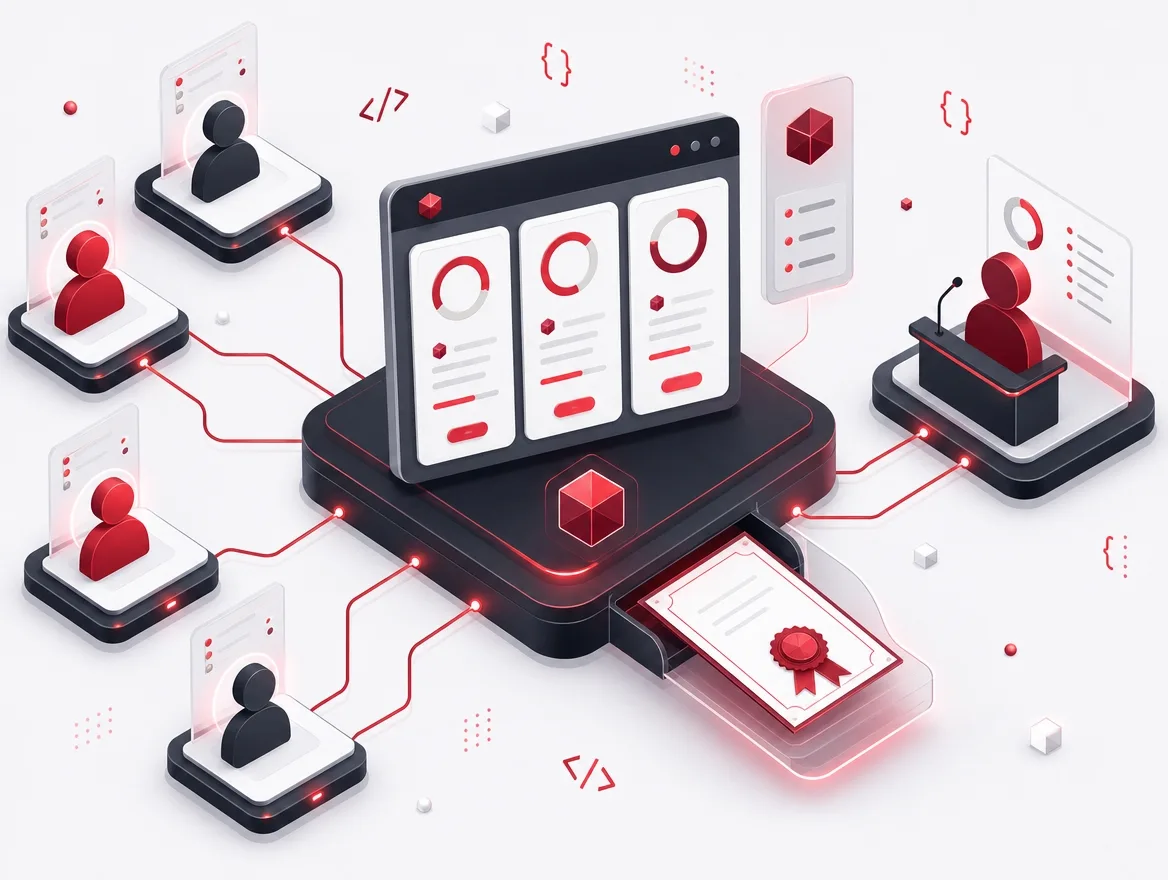
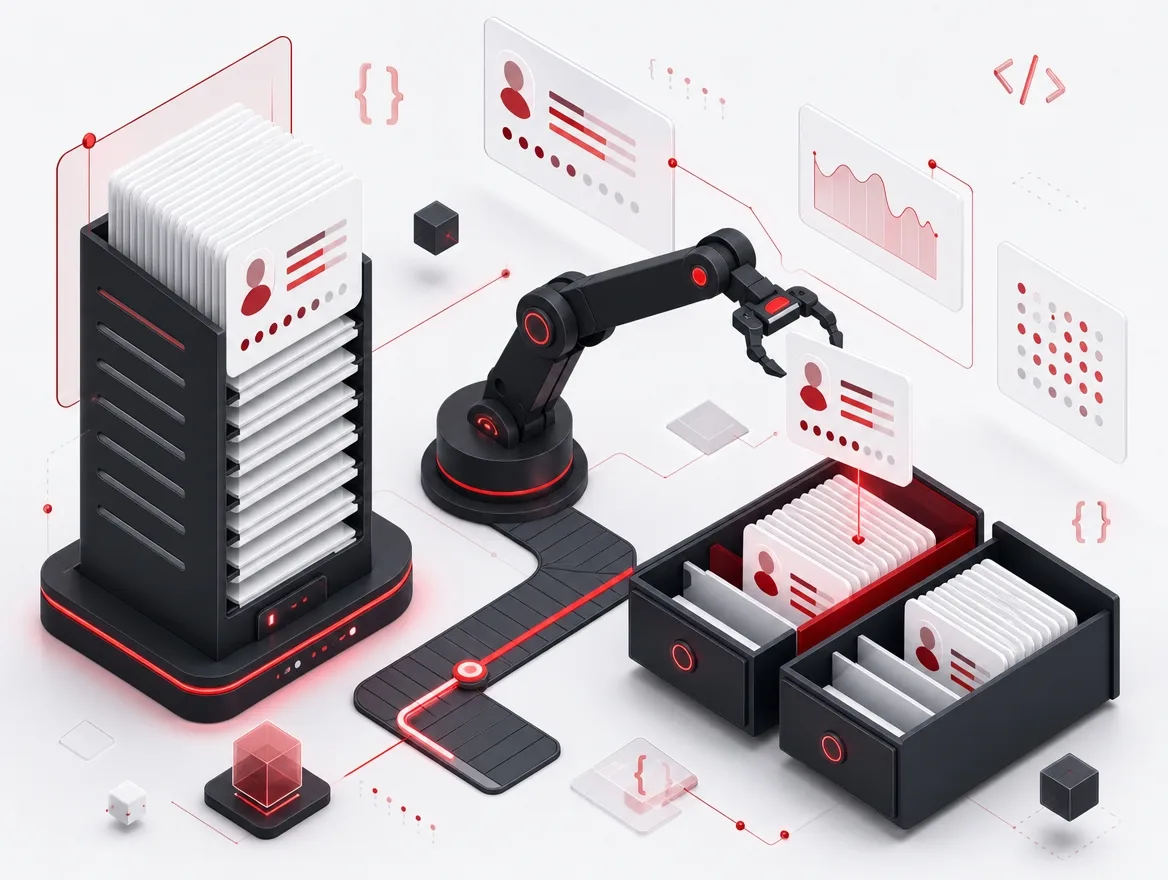
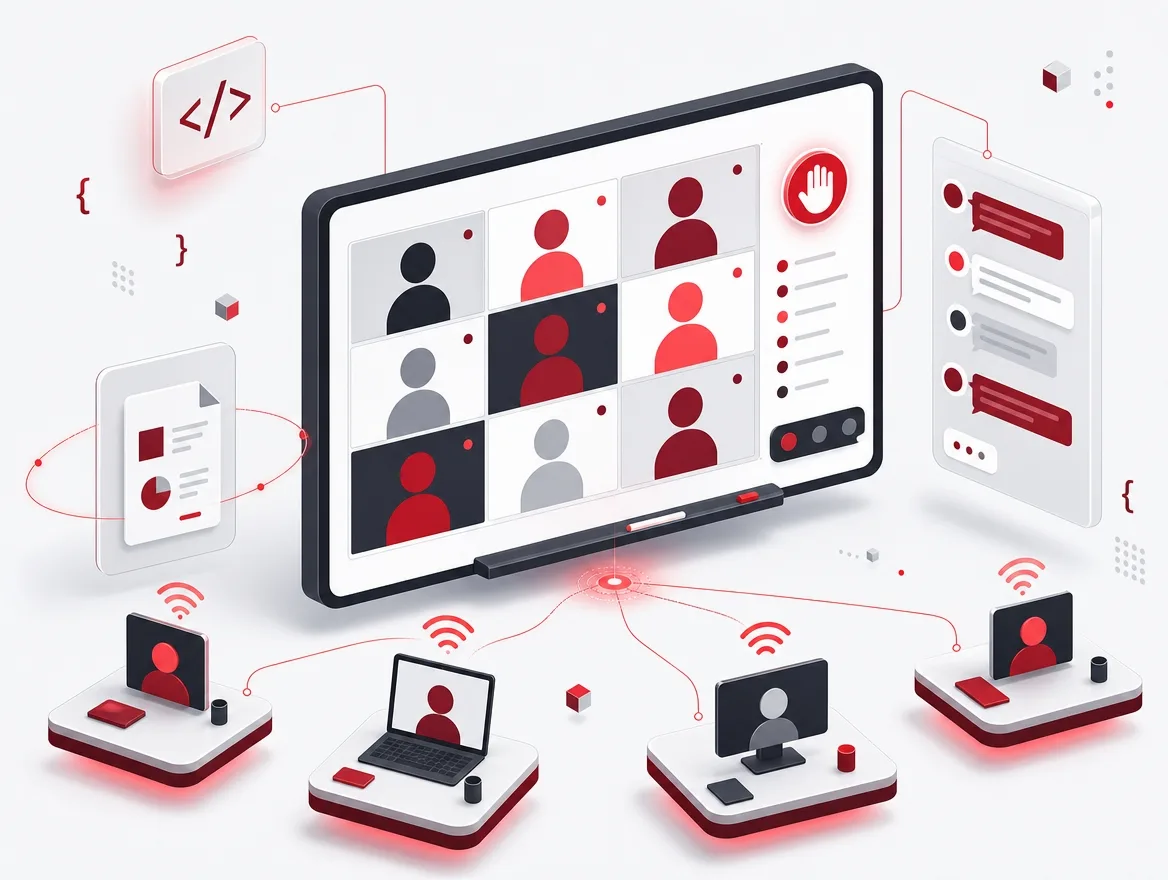
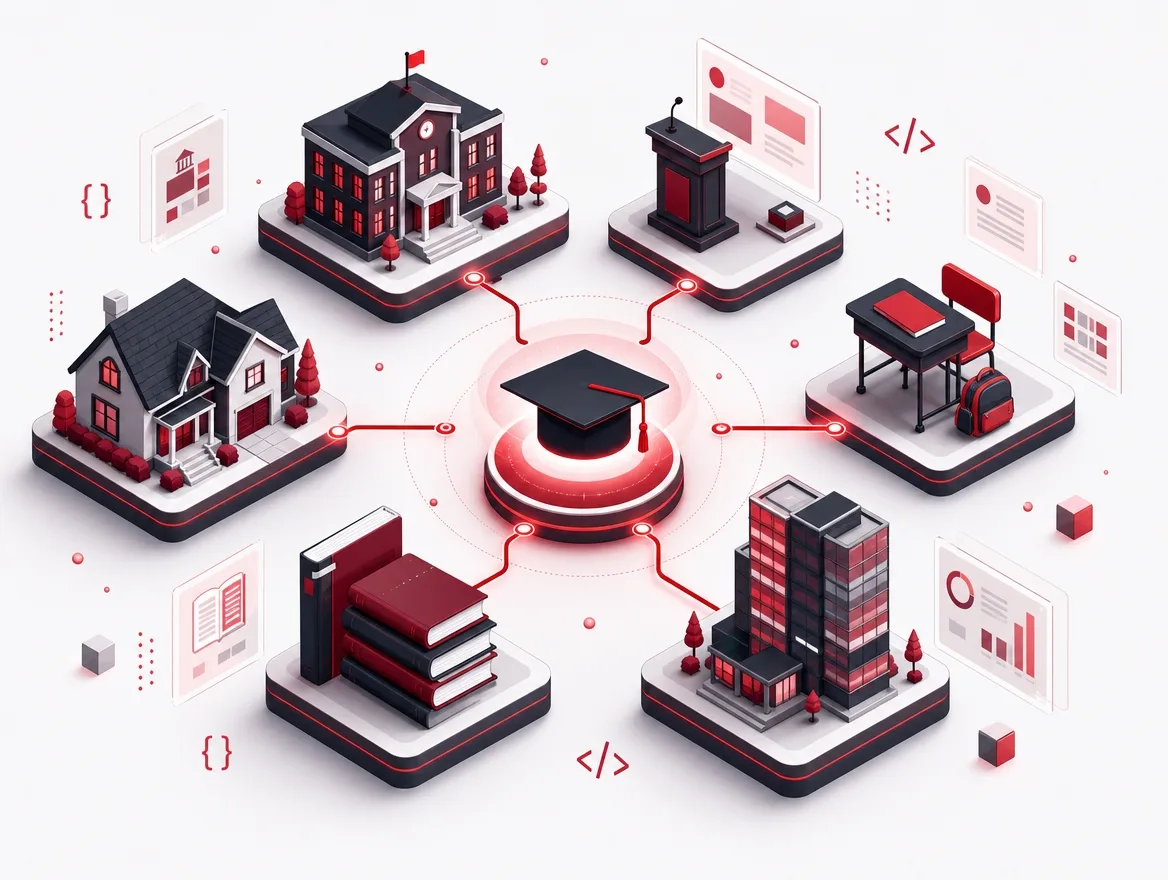
Four practice areas, each with its own page: learning management systems, student information systems, virtual classroom platforms, and assessment and examination platforms. Most engagements touch two or three, because a course without enrolment data, or an examination without a candidate record, solves half a problem. Each page sets out the modules involved, what the system has to integrate with, the architectural decisions that determine whether it works, and how we sequence delivery around an academic calendar.
Do you have delivered education projects you can show us?
Our published case studies are in hospitality, and we will not present them as education evidence. What we bring is 10+ years of software delivery, 300+ completed projects, and 200+ developers across mobile, web, cloud, and data engineering, alongside certified process and direct experience of the engineering problems these systems present: integration between record and teaching systems, accessibility, load that arrives in synchronised spikes, and long-horizon data retention. On an education engagement we walk you through the architecture we would use, what we have built before in adjacent contexts, and what would be new, so you can assess the risk yourself rather than accept a claim.
Should we build custom software or use an existing platform?
Frequently you should use an existing platform, and we will tell you when. Moodle, Canvas, and mature student information products encode years of pedagogical and administrative detail that is not economic to reproduce, and displacing a vendor that carries statutory reporting certification for your jurisdiction is expensive. Custom becomes defensible when your delivery model does not fit the course-and-cohort shape those products assume, when integration between platforms is the actual gap, when your platform is the product you sell, or when licensing at your learner volume has become a strategic cost. The build-versus-buy assessment happens before scope is fixed, including when the outcome loses us the work.
Can you extend the platform we already run rather than replacing it?
That is the more common engagement and usually the wiser one. Institutions with a working Moodle, Canvas, or established record system rarely need a replacement; they need capability the platform does not offer, delivered around it. A custom learner experience over platform data, an integration layer to record and finance systems, analytics beyond native reporting, or a mobile application on the platform API all deliver the gap without the risk. Where a platform supports LTI, custom tools can appear inside a course without either system absorbing the other.
How do you handle accessibility?
As a functional requirement rather than a refinement, since for publicly funded institutions it is frequently a legal obligation. We build to WCAG 2.1 AA: keyboard operability throughout, screen reader semantics, sufficient contrast, captions and transcripts for media, and no reliance on colour alone to convey meaning. We verify with assistive technology on each release rather than relying on automated checkers, which detect only a minority of real barriers. We do not claim WCAG certification, because conformance is a property of a specific verified build rather than of a vendor, and we tell you plainly which criteria a release meets.
How do you deliver without disrupting a live academic term?
By treating the academic calendar as a hard constraint rather than a scheduling preference. Releases and migrations are sequenced to term boundaries, because changing a platform mid-term affects assessment already underway and splits a cohort's records across two systems. We pilot with one programme or faculty across a full assessment cycle before wider rollout, keep legacy systems readable until nothing outstanding depends on them, and prepare rollback before go-live. Registration weeks, deadline periods, and results release are treated as change-frozen windows with monitoring rather than deployment.
Why does education software have unusual load requirements?
Because education traffic is synchronised in a way commercial traffic is not. Term start, assignment deadlines, examination sittings, and results release concentrate a large share of the population into minutes, and the deadline peak is the least forgiving since a failed submission is an academic consequence rather than an inconvenience. We load-test against those specific profiles rather than average traffic, size for the peak, and design submission paths with continuous persistence and explicit acknowledgement so a slow connection never costs a learner their work.
How long does an education software project take?
A focused first release is typically four to twelve months depending on the capability, and each practice page gives its own honest range. The dominant variable is rarely feature count. It is the quality of the integration between the teaching platform and the record system, and how much variation exists in policy across faculties, since grading rules, enrolment routes, and assessment regulations that differ by department become configuration work that leads the schedule.
How do you handle learner data, particularly for minors?
Learner data carries obligations that vary sharply by jurisdiction and become stricter where learners are under age. We build lawful basis and consent capture, data minimisation, role-based access with audit logging, defined retention and disposal per record class, parental consent and guardian access mechanics, and encryption in transit and at rest. Our information security management is certified to ISO 27001:2013 and quality management to ISO 9001:2015. We do not describe ourselves as a FERPA, COPPA, or GDPR certified vendor, because no such certification exists for software suppliers; those obligations rest with the institution, and our role is to build so you can meet and evidence them.
What engagement models are available?
A dedicated development team for continuous product work, or staff augmentation to extend an in-house team with specific skills. Education programmes usually suit a dedicated team, because the integration and institutional knowledge accumulated in the first phase is expensive to rebuild in a new group, and because delivery has to stay aligned to an academic calendar over several terms. Share your requirements and we prepare a proposal within 48 hours covering team composition, sequence, timeline, and cost.