What retail and ecommerce software does AgileTech build?
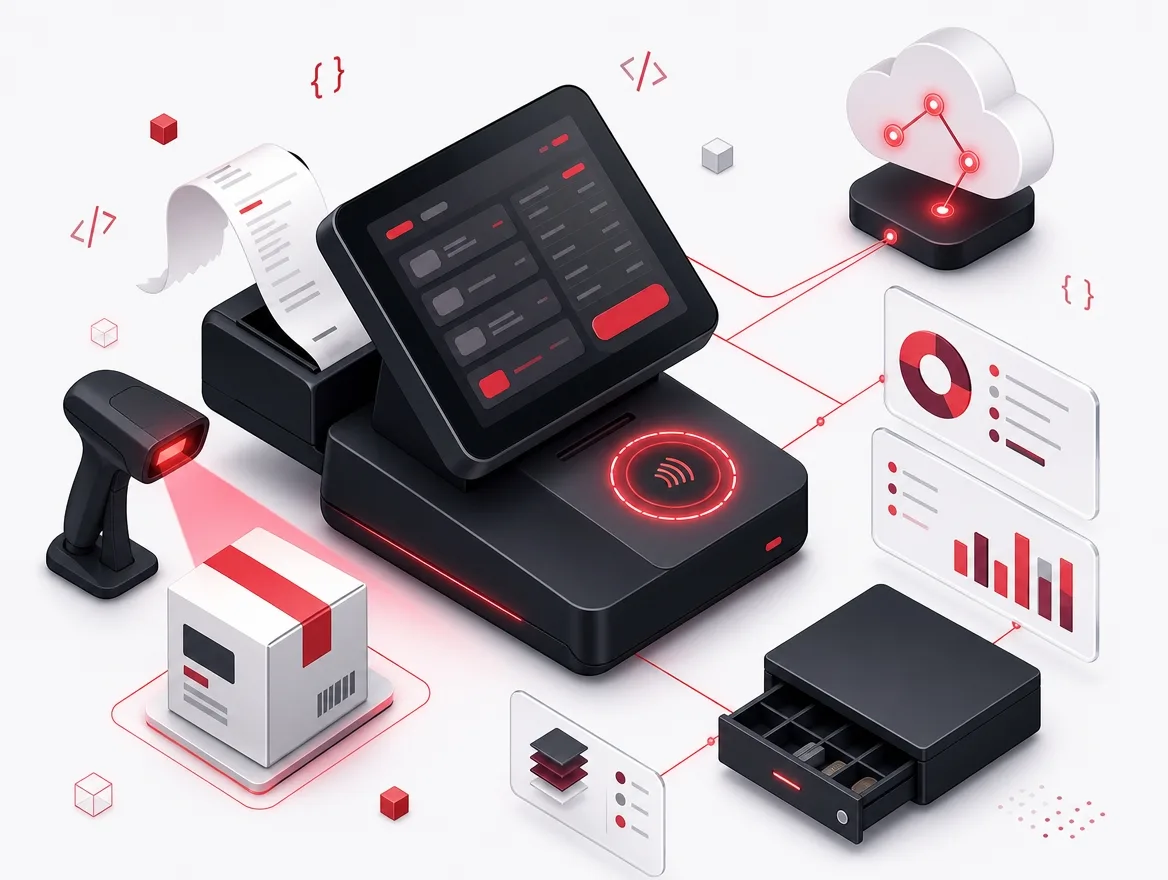
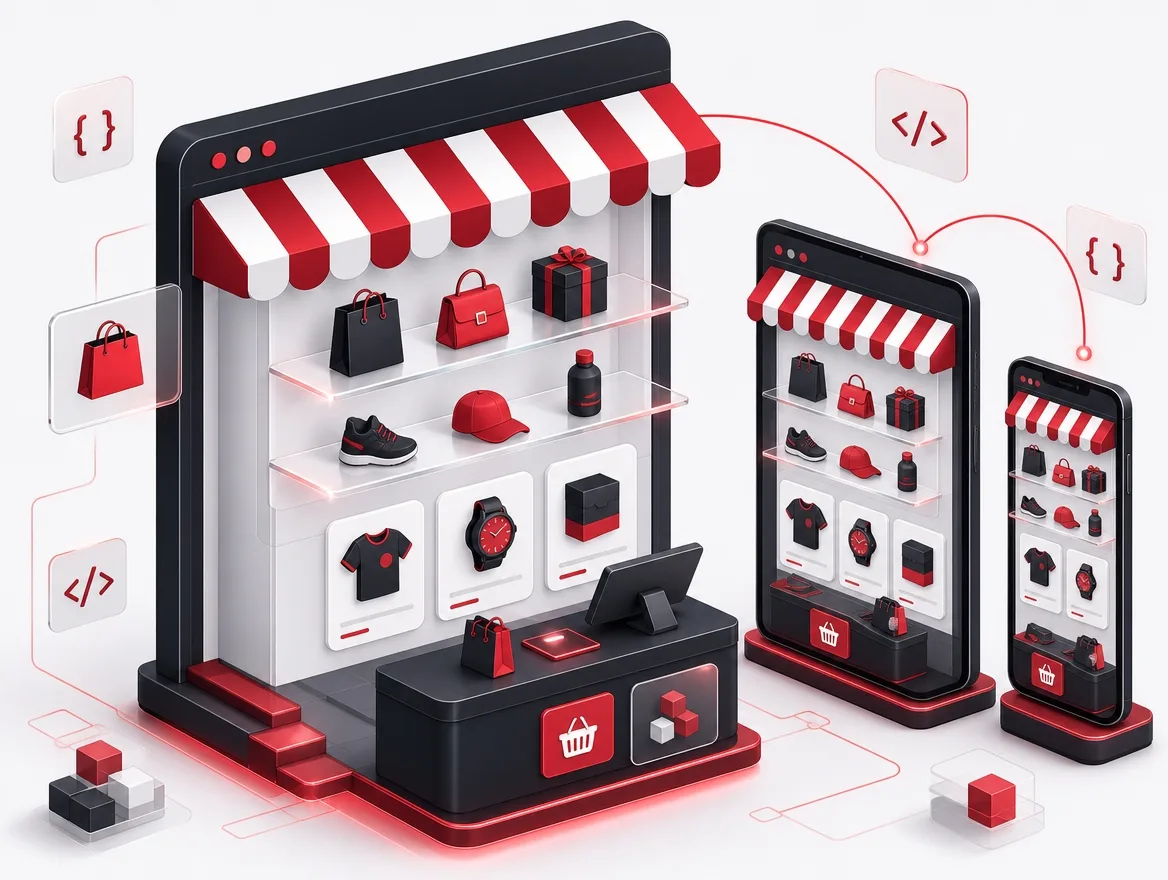
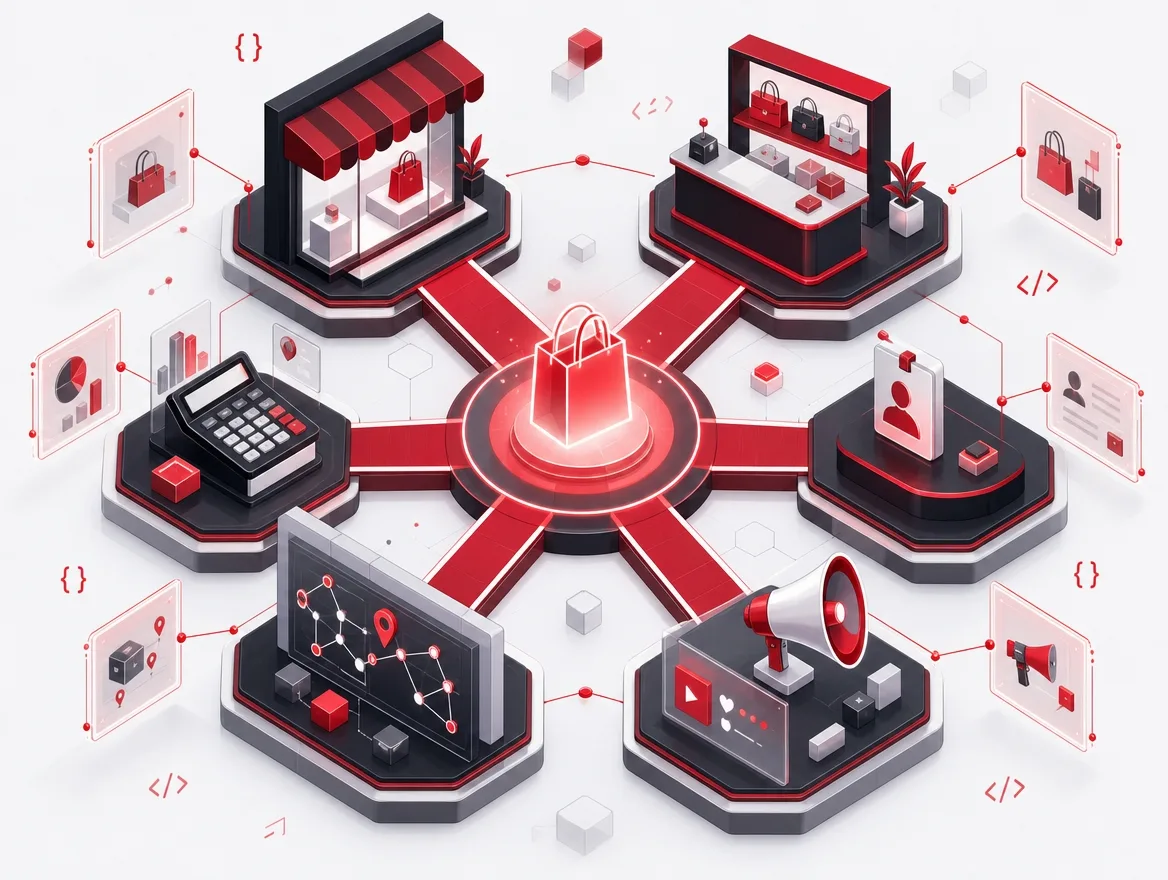
Nine practice areas, each with its own page: retail POS, inventory management, ecommerce websites, multi-vendor marketplaces, order management, retail CRM and loyalty, product information management, demand forecasting and analytics, and retail mobile apps. Most engagements combine two or three of these, because retail problems rarely sit inside one system. Each page covers the modules involved, what it integrates with, the architectural decisions that matter, and how we sequence delivery.
Do we have to replace our existing systems?
Usually not, and we advise against it more often than clients expect. Most retailers already run a POS, an ecommerce platform, and an ERP that work adequately in isolation, and the actual problem is that they do not share stock, pricing, or customer data. In those cases the right build is an integration and orchestration layer, not a replacement programme. We assess build versus integrate versus configure per capability and give you a straight recommendation, including where the answer is to buy something off the shelf rather than hire us to build it.
How do you keep stock accurate across stores and online?
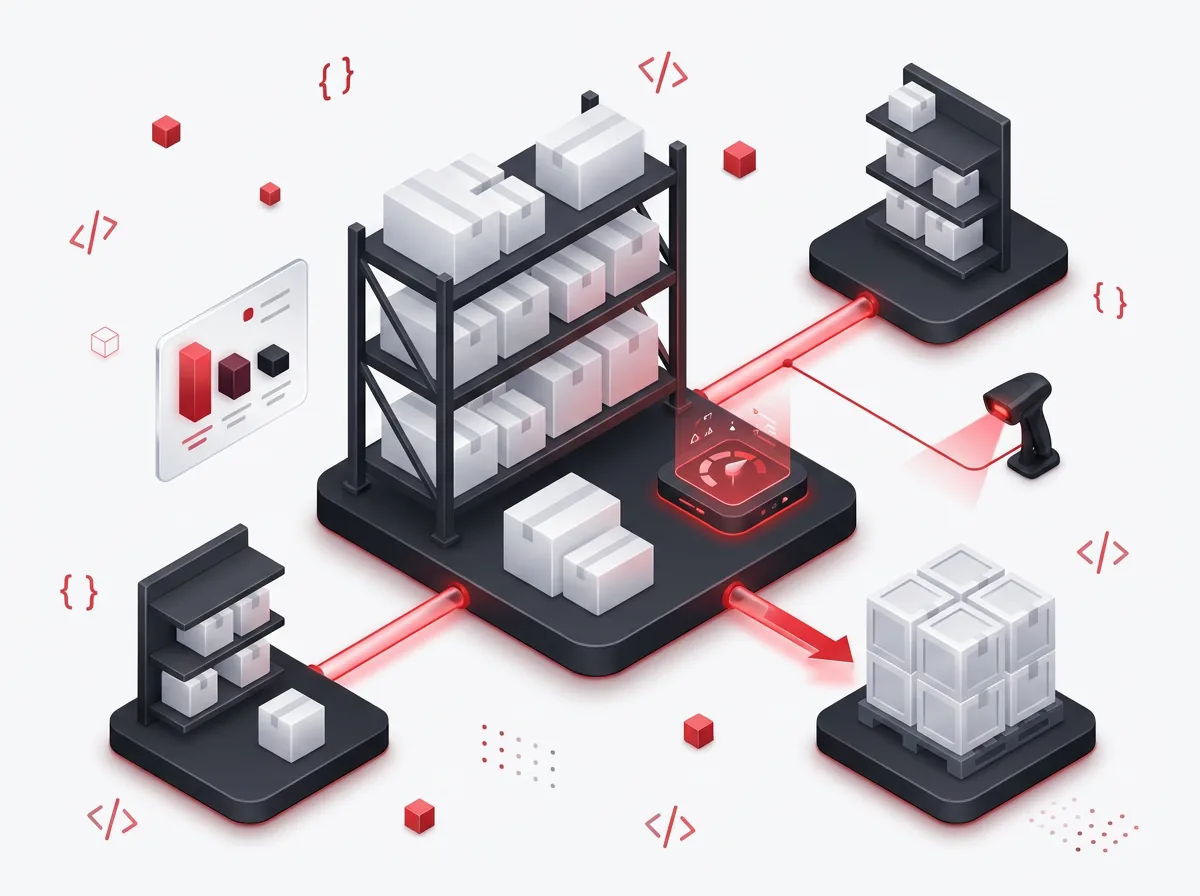
By deciding which system is authoritative for stock and making every other system a consumer of it, rather than letting several systems each hold their own count. On top of that you need a movement-based ledger instead of overwritten totals, explicit handling of reserved and committed stock so online and in-store demand cannot both claim the same unit, and a safety-buffer policy for the latency you cannot engineer away. The inventory management and order management pages cover this in detail.
Can you handle peak trading periods?
Peak readiness is a design input, not something added later. That means load testing the paths that actually carry revenue, caching strategy for catalogue and pricing, queue-based handling for order intake so a spike degrades gracefully instead of dropping orders, autoscaling with tested headroom, and a change freeze window around the highest trading days. We also build rollback capability that does not depend on a slow release cycle, because the worst time to discover a bad deployment is the busiest week of your year.
Do you have real retail delivery experience?
We have 10+ years of software delivery and 300+ completed projects across commerce, mobile, and integration work, with 200+ developers across mobile, web, cloud, and data engineering. Our published case studies are in hospitality rather than retail, and we will not present them as retail evidence. What we will do is walk you through the architecture we would use on your problem, the parts we have built before in adjacent contexts, and the parts that would be new, so you can judge the risk yourself rather than take a claim on trust.
How do payment security and data protection get handled?
Card data is kept out of your systems wherever possible, using tokenisation and hosted or embedded payment fields so PCI DSS scope stays as narrow as it can be. Customer data handling is designed around consent capture, purpose limitation, retention rules, and deletion, which matters for GDPR and comparable regimes and also for the app store requirements a retail app has to satisfy. Our quality management is certified to ISO 9001:2015 and our information security management to ISO 27001:2013.
How long does a retail project take?
A focused first release is typically eight to twenty weeks depending on the capability, and each practice page gives its own honest range. The biggest variable is almost never the new system: it is the state of the interfaces around it. Where clean APIs for catalogue, stock, orders, and customers already exist, delivery is fast. Where data has to be reconciled and interfaces built first, that work dominates the timeline, and we say so at estimate stage rather than discovering it in month three.
What engagement models are available?
A dedicated development team for continuous product work, or staff augmentation to extend an in-house team with specific skills. Retail programmes usually suit a dedicated team, because the integration knowledge built up during the first phase is expensive to rebuild in a new group. Share your requirements and we prepare a proposal within 48 hours covering team composition, sequence, timeline, and cost.
Where should we start if several systems need work?
With whichever gap is costing you measurable money now, not with the system that is most visibly dated. Simultaneous stockouts and markdowns point at inventory and forecasting. Orders failing between channels point at order management. Inconsistent listings point at product information. A slow or unreliable storefront points at the ecommerce build. We run a short assessment, put the candidates in order of return, and recommend the smallest first phase that produces a real improvement.
Do you support the systems after launch?
Yes. Retail software is never finished, because ranges change, channels are added, payment and tax rules move, and peak seasons keep arriving. We plan for monitoring, incident response, platform and dependency upgrades, seasonal readiness reviews, and a regular enhancement cadence. Where a client has an internal team, we also handle handover deliberately, with documentation and paired work rather than a code drop.