What insurance software does AgileTech build?
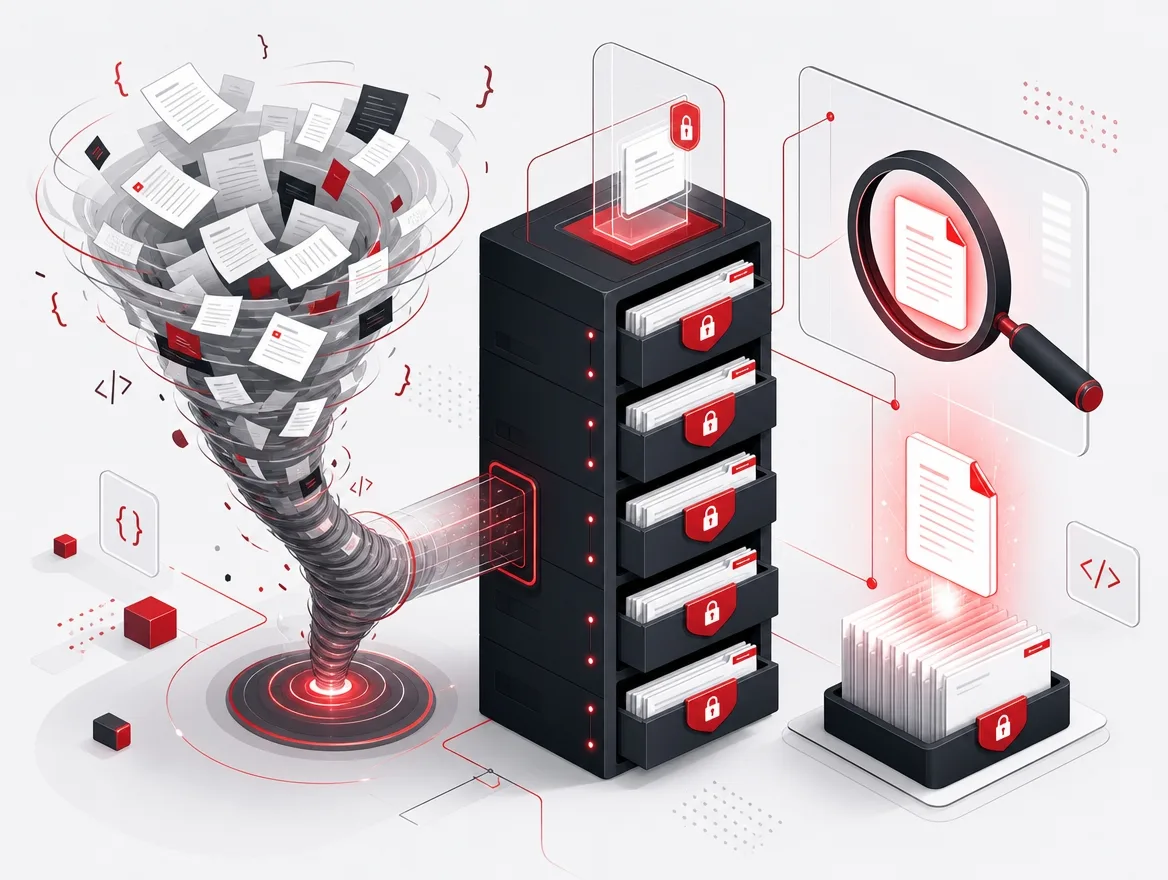
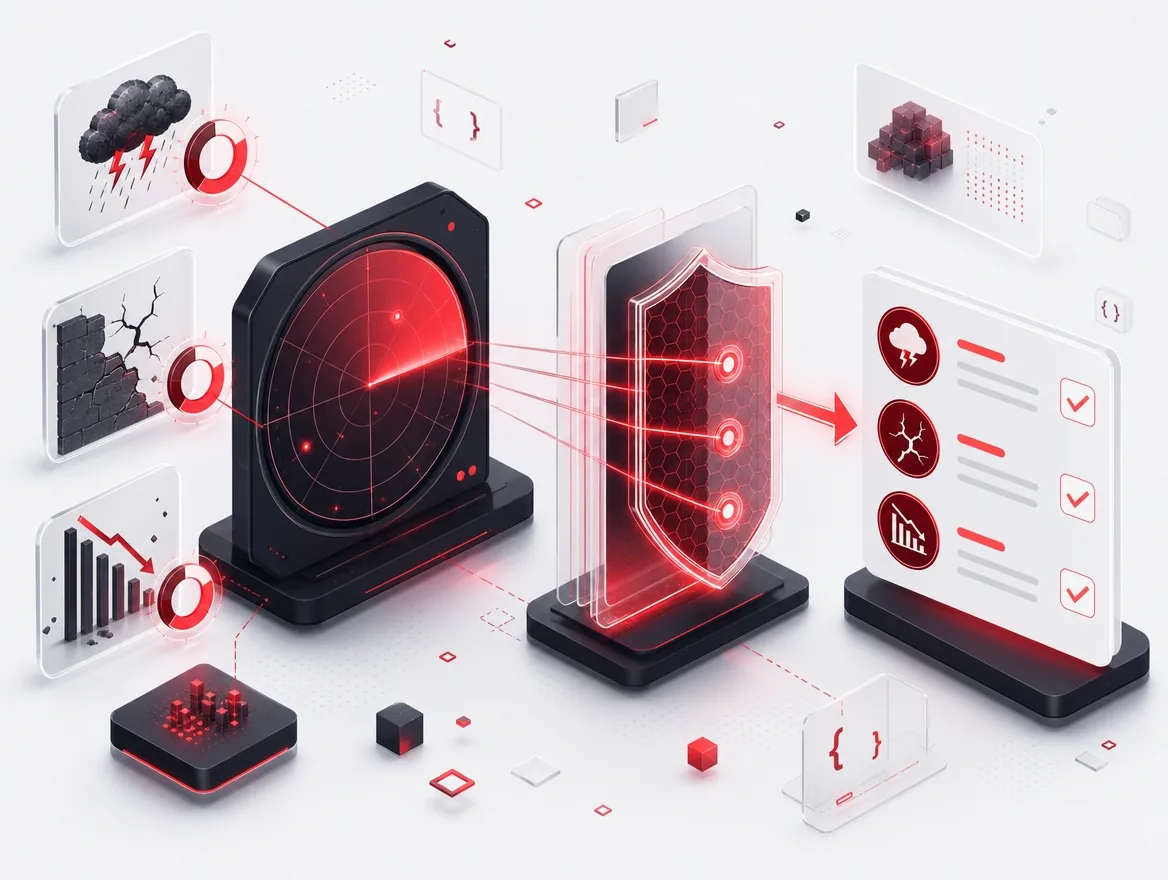
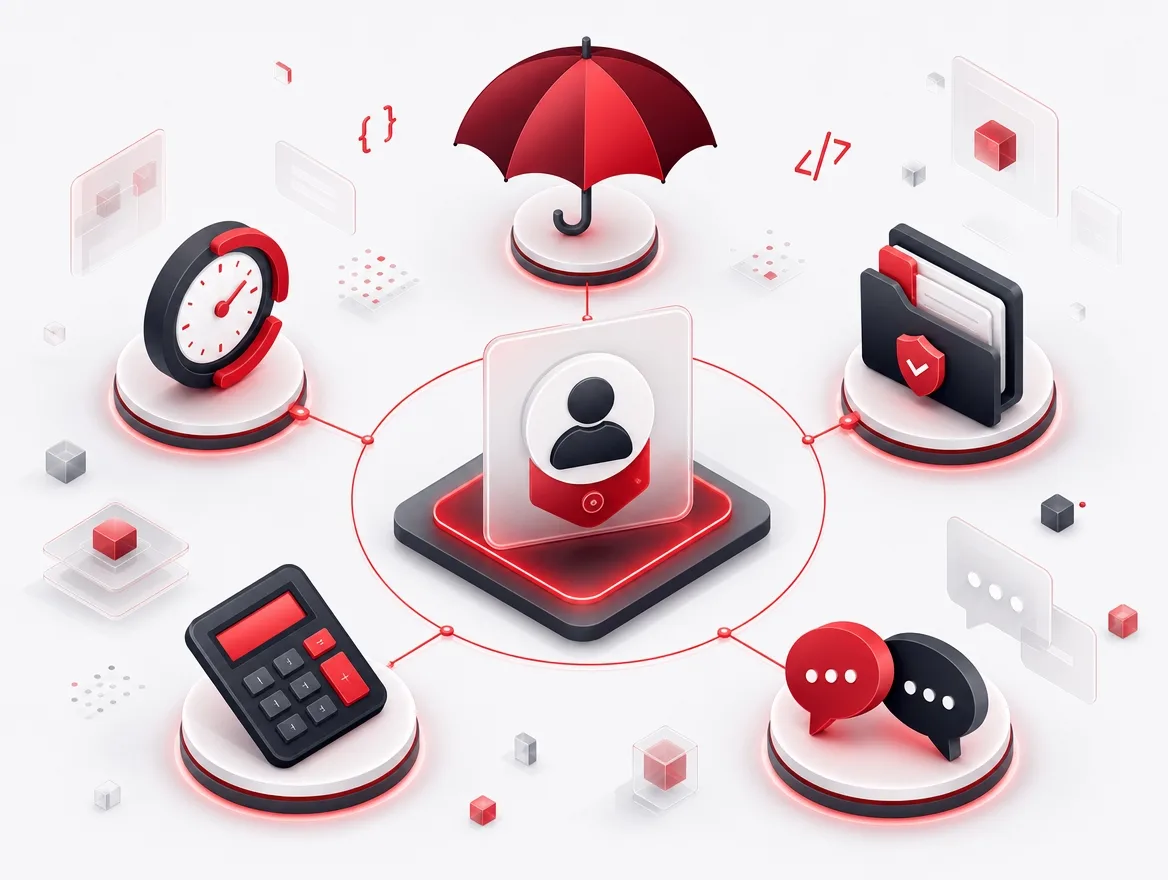
Four practice areas, each with its own page: policy administration systems, claims management systems, underwriting and risk rating platforms, and agent and broker portals. Most engagements touch two or three, because a rating engine without a policy record to write into, or a broker portal without rating behind it, solves half a problem. Each page sets out the modules involved, what the system has to integrate with, the architectural decisions that determine whether it works, and how we sequence delivery around regulatory and renewal cycles.
Do you have delivered insurance projects you can show us?
Our published case studies are in hospitality, and we will not present them as insurance evidence. What we bring is 10+ years of software delivery, 300+ completed projects, and 200+ developers across mobile, web, cloud, and data engineering, alongside certified process and direct experience of the engineering problems these systems present: effective-dated records, exact financial arithmetic, immutable audit, external data integration, and reconciliation with a general ledger. On an insurance engagement we walk you through the architecture we would use, what we have built before in adjacent contexts, and what would be new, so you can assess the risk yourself rather than accept a claim.
Are you regulated or accredited by an insurance authority?
No, and no software supplier is, because insurance regulators authorise insurers and intermediaries rather than their technology vendors. Any supplier claiming regulatory accreditation is telling you something inaccurate. We also do not provide insurance, actuarial, or regulatory advice; those responsibilities sit with your own functions and advisers. What we do is build to the obligations you carry: statutory and prudential reporting to specification, conduct and disclosure requirements, effective-dated records that withstand audit, and reproducible pricing decisions. Our information security management is certified to ISO 27001:2013 and quality management to ISO 9001:2015, both real and auditable.
Should we build custom software or buy an established product?
Frequently you should buy, and we will tell you when. Established policy administration and claims products carry decades of regulatory, accounting, and product detail, and displacing a vendor accepted in your market is expensive and rarely justified for standard lines. Custom becomes defensible when your product design does not fit the shapes those systems assume, when integration and orchestration between products is the actual gap, when your platform is the proposition rather than the back office, or when licensing at your policy volume has become a strategic cost. The build-versus-buy assessment happens before scope is fixed, including when the outcome loses us the work.
Can you build around our existing core system rather than replacing it?
That is the more common engagement. Replacing a policy administration system is one of the highest-risk programmes an insurer can undertake, and most do not need one: they need capability the incumbent cannot deliver, built around it. Digital quote-and-buy journeys, broker portals, rating extracted into a configurable engine, service self-help, and integration layers to finance and claims can all be delivered as additions that read from and write to the system of record through defined interfaces, leaving it authoritative. Where replacement is genuinely necessary, we sequence it line by line rather than migrating a live book in one movement.
Why does effective dating matter so much in insurance software?
Because insurance questions are almost always about the past. A claim asks what cover was in force on the date of loss, an audit asks what premium was charged under which rate version, a complaint asks why a decision was made two years ago. Systems that model a policy as a mutable record answer only what is true today, and the information needed to answer properly was never recorded. We model policies as sequences of dated states, rates and rules as versioned configuration bound to the transactions written on them, and financials as append-only transactions. This cannot be retrofitted, which is why it is the first architectural decision we make.
Who should be able to change rates and product definitions?
Your actuaries and business analysts, not your engineers. When a rate change or a new cover option requires a code release, pricing and product strategy move at the pace of the release calendar, and the commercial teams maintain shadow spreadsheets that become the real source of truth. We build rates, rules, and product definitions as versioned, testable configuration with a promotion path from draft through validation to live, effective dating so changes activate on schedule, and mandatory impact testing that reprices a portfolio sample before release. Engineering owns the platform; the business owns what is configured inside it.
How do you handle pricing consistency across channels?
By making one rating engine the single source of price for every channel, called as a service rather than reimplemented. Divergence usually creeps in through reasonable shortcuts: an aggregator feed with simplified logic, a renewal batch never updated, a broker spreadsheet used because the system was slow. Each eventually produces a customer charged the wrong premium, which is a remediation exercise and sometimes a regulatory one. Channel differences are expressed as declared parameters such as commission or channel loading, and regression tests reprice a stored portfolio sample on every change.
How long does an insurance software project take?
A focused first release is typically four to twelve months depending on the capability, and each practice page gives its own honest range. The dominant variable is rarely the new software. It is the quality of the interfaces to the systems around it and how well documented your current rules actually are, since pricing and product logic frequently live partly in a legacy system, partly in spreadsheets, and partly in individual judgement. Reconciling those into an explicit specification is real work and we scope it openly rather than discovering it in month three.
How do you handle policyholder data and security?
Insurance records contain identity, financial, and often health, property, and claims-investigation information, retained for long periods under both data protection and insurance regulation. We build role-based access so sensitive underwriting and investigation material is not visible to general servicing staff, audit logging on access as well as change, encryption in transit and at rest, defined retention and disposal per record class with litigation holds where relevant, and controlled disclosure paths for subject access where third-party information must be withheld. Hosting follows your jurisdiction's residency requirements rather than whichever region is convenient.
What engagement models are available?
A dedicated development team for continuous product work, or staff augmentation to extend an in-house team with specific skills. Insurance programmes usually suit a dedicated team, because the domain and integration knowledge accumulated in the first phase is expensive to rebuild in a new group, and because these systems evolve continuously with rate changes, product launches, and regulatory updates. Share your requirements and we prepare a proposal within 48 hours covering team composition, sequence, timeline, and cost.