Which of the four systems should we start with?
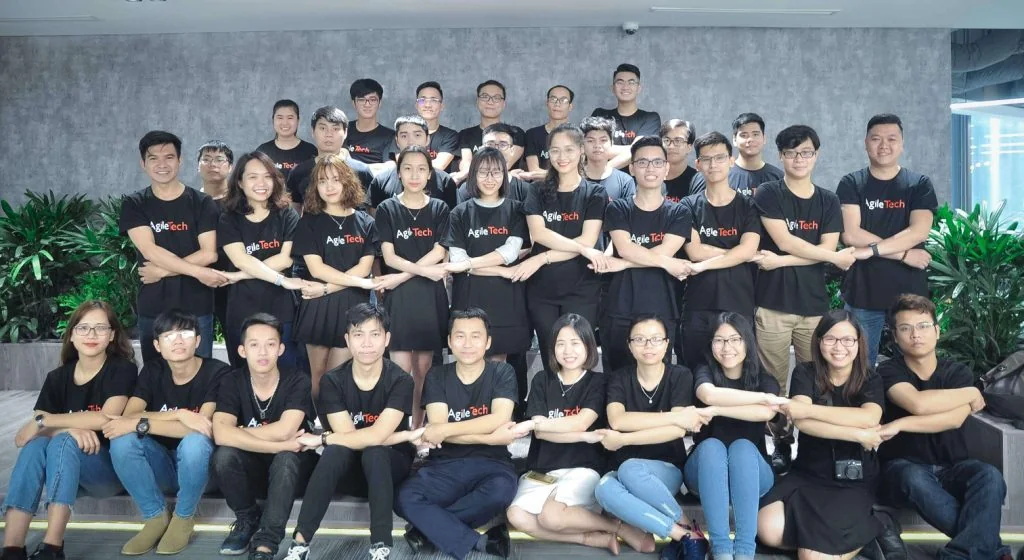
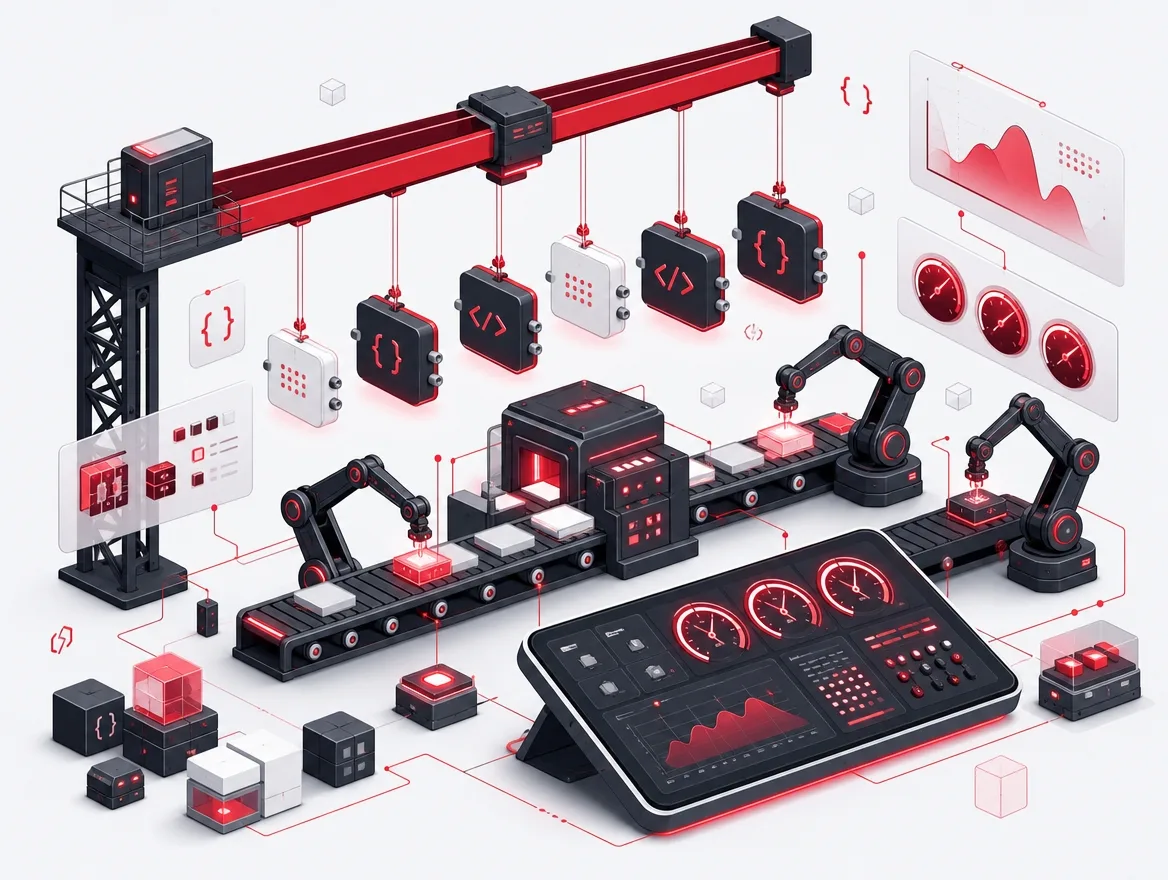
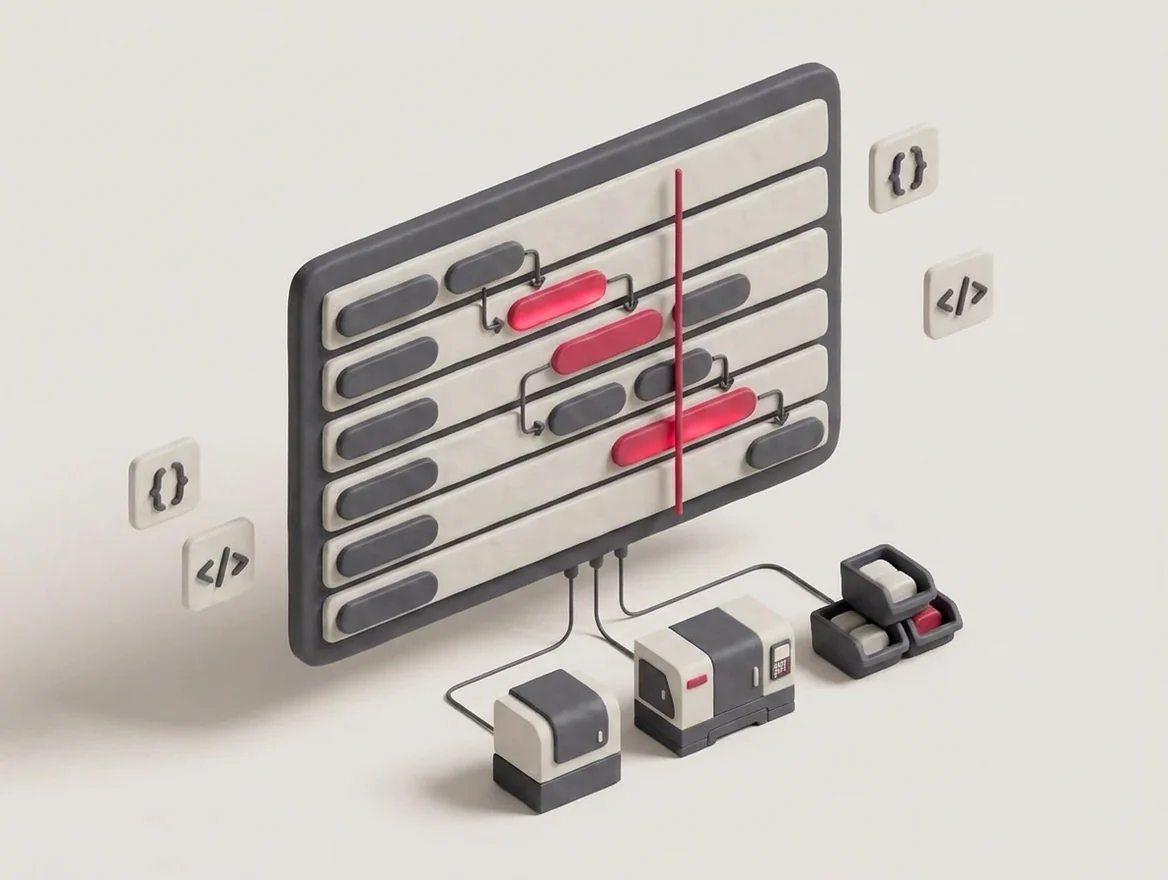
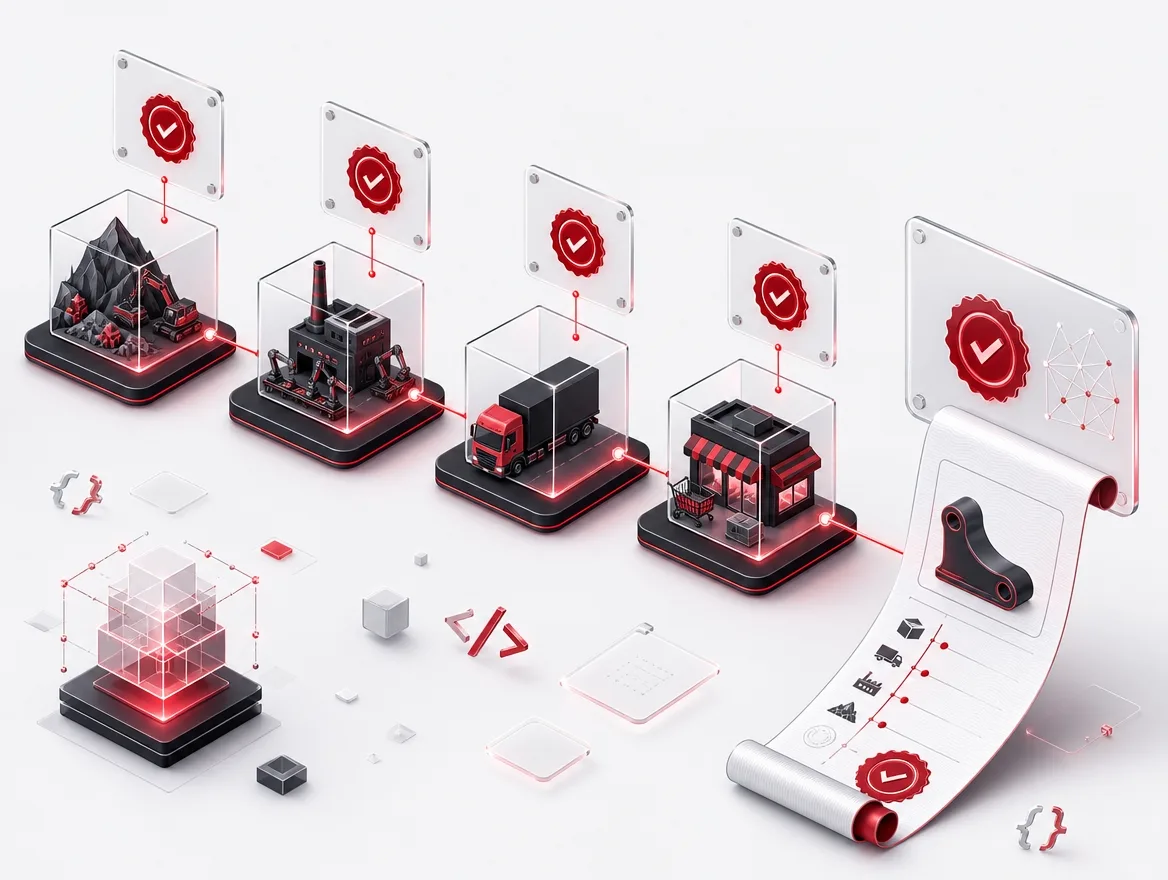
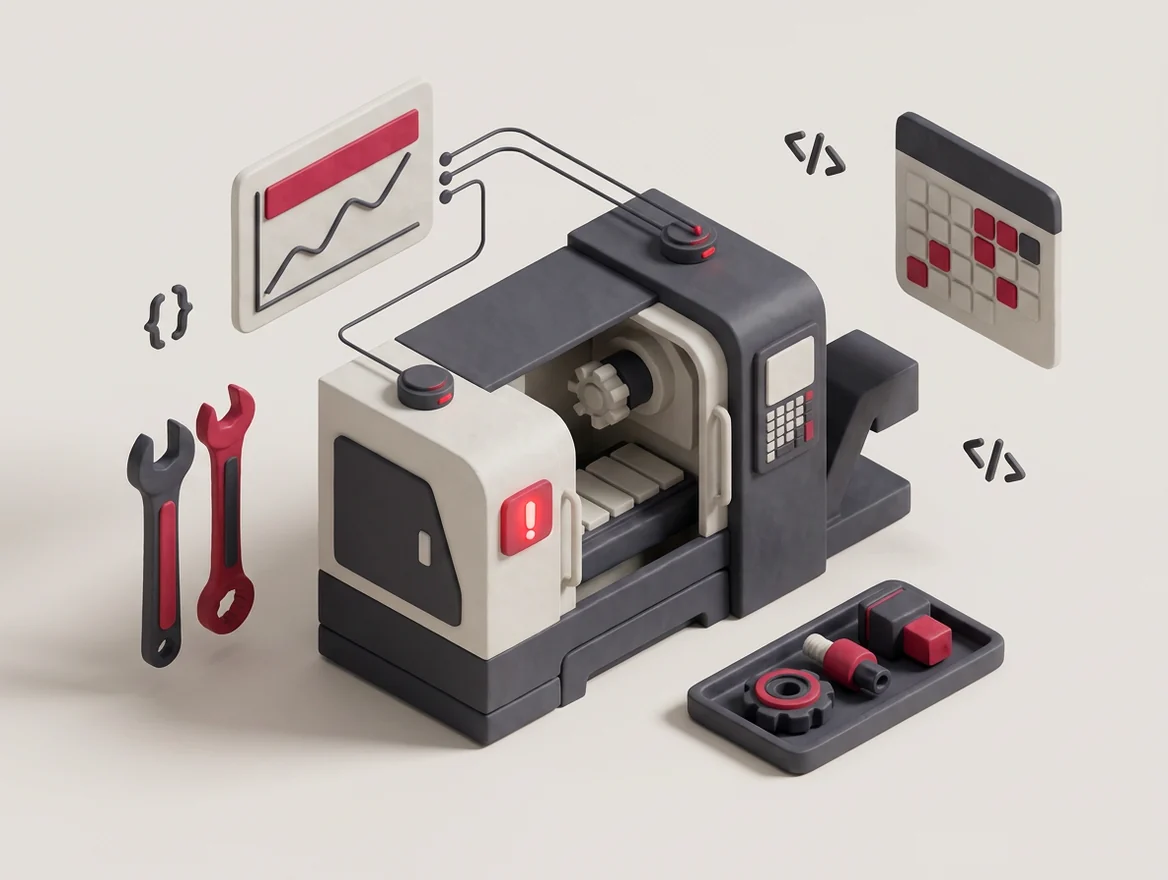
Whichever pain is currently most expensive, and it is usually obvious once we look. If you cannot see what the floor is doing until shift end, start with execution. If the schedule your planners follow lives in a spreadsheet, start with planning. If assembling a batch record takes days, start with quality. If unplanned downtime is your largest loss, start with maintenance. We will tell you which after walking the plant, and we have advised clients to start somewhere other than where they intended.
Do we need custom software or would a package do?
Often a package is the better choice, and we say so when it is. Custom work makes sense when you need integration your equipment or plant systems cannot support off the shelf, when your process structure does not fit a product's assumptions, or when a package would force you to change working practices that exist for good reasons. If a product fits your operation, buying it will cost less and be supported longer.
Can you integrate our older machines?
Some of them, and we tell you which before you commit rather than after. Equipment varies from rich OPC UA data to a single output contact to nothing readable at all. We survey the asset base and produce a per machine statement. Where integration is not possible, operator entry is designed in deliberately. Any vendor promising uniform connectivity across a mixed age plant has not looked at it.
Will our operators and technicians actually use it?
Only if the correct action is faster than the workaround, which is the constraint we design to first. A completed unit recorded in one scan gets recorded; a form with a dropdown and a confirmation produces a paper tally within a week. We test interfaces in real conditions with the actual people before repeating the pattern, and we treat rejection as a design defect rather than a training problem.
What happens when the factory network fails?
Station and mobile clients buffer locally and continue working, showing clearly what is pending, then reconcile on reconnect with defined conflict rules. This is treated as a normal operating condition rather than an error, because in most plants it is. A system that stops accepting input when connectivity drops will be abandoned the first time it happens during a busy shift.
Can we roll out one line at a time?
Yes, and we recommend it strongly. One line proves the interface design, the integration approach, and the reconciliation before the pattern is repeated, and it gives the rest of the plant a working example rather than a promise. Whole plant cutovers concentrate every risk into one weekend, and the risk here is mostly human acceptance rather than software.
Do you have manufacturing case studies we can see?
We have two published case studies with client permission, both in hospitality rather than manufacturing, and they are in our portfolio. We will not present anonymised production metrics or unnamed client claims as evidence, because unverifiable figures tell you nothing useful when assessing a vendor. What we can do is walk your floor and discuss your actual constraints, which is a better basis for a decision anyway.
Can you guarantee our sector compliance?
No, and treat any vendor who says otherwise with suspicion. Compliance is assessed against you, not against us, and depends on your processes and people. AgileTech holds ISO 9001:2015 and ISO 27001:2013 for our own operations, which does not certify your product or process. We implement the requirements your quality and regulatory functions specify, and make the resulting records attributable and retrievable.
How do these four systems fit together?
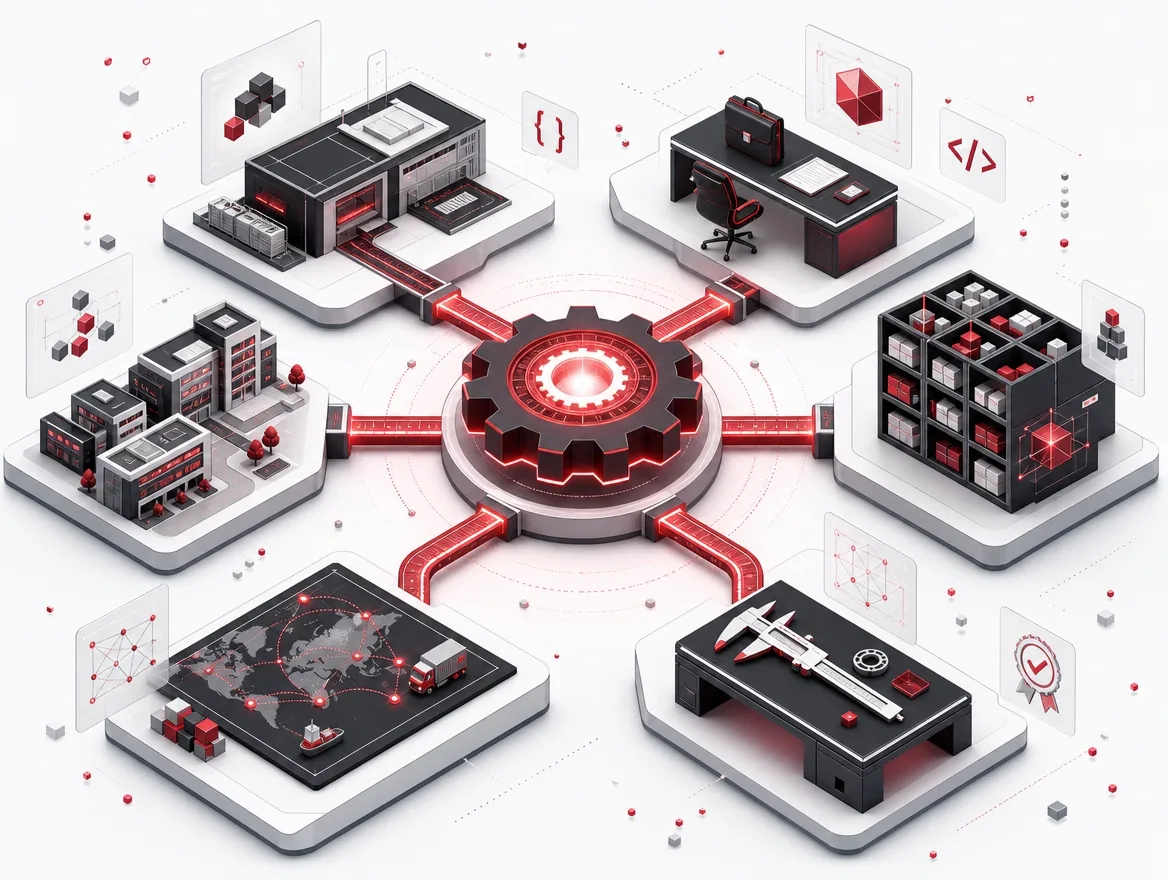
Planning decides what to make and when, execution records what actually happened, quality records whether it conformed and what was done when it did not, and maintenance keeps the equipment available and feeds its windows back into the plan. They share asset and batch identity, which is why they integrate closely. You do not need all four, and building all four at once is rarely the right sequence.
How long does a manufacturing system take to deliver?
A first line or a focused single system is typically a few months, with floor observation, equipment survey, and interface testing taking a meaningful share of it. Extending across lines is faster per line, with machine integration on older equipment the usual variable. A whole plant across several systems is a staged programme, and we will not present it as anything shorter.
What do you need from us to begin?
Access to the floor for observation, an equipment list with controller types and any existing connectivity, your ERP and its interfaces, your traceability and retention obligations, and a representative product with its routing and bill of material. Time in the plant with the people who do the work is the single most valuable thing you can provide, and no document substitutes for it.